Leave Your Message
-
Phone
-
E-mail
-
Whatsapp
-
WeChat

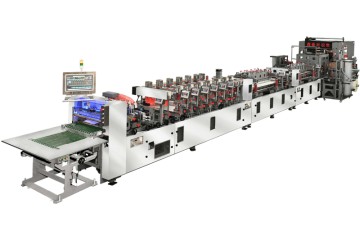
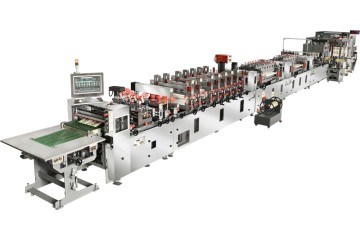
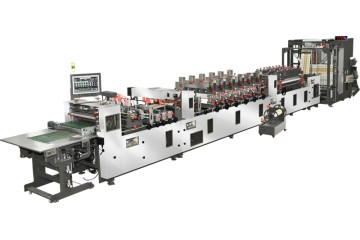
Engineered for Colombian flexible packaging converters operating in Bogotá, Medellín, Cali, and Barranquilla, featuring electronic shaft synchronization and CCD vision registration.
The Republic of Colombia stands as one of the most vibrant packaging converting hubs across the Andean Community and broader Latin America. As regional consumer habits evolve toward retail-ready, reclosable, and premium barrier formats, flexible packaging converters across Antioquia, Cundinamarca, and Valle del Cauca are experiencing unprecedented demand for high-performance zipper bag making machines. Colombian brand owners are accelerating their transition from rigid containers to stand-up pouches (Doypacks), flat-bottom quad-seal bags, and reclosable barrier pouches to optimize logistics freight, reduce carbon footprints, and maximize retail shelf appeal.
According to data from ProColombia and the Colombian Plastics Association (Acoplásticos), flexible substrates, laminated films, and barrier pouches account for over 48% of the country's total converted plastics output. Driven by major supermarket consolidations (such as Grupo Éxito, D1, Tiendas Ara, and Carulla), flexible reclosable packaging is no longer an optional luxury—it is an indispensable packaging standard demanded by domestic consumers and international export supply chains alike.
Colombia's world-renowned coffee industry (centered around Huila, Antioquia, Tolima, and Caldas) relies extensively on high-barrier, bottom-insertion stand-up zipper pouches with integrated degassing valves to safeguard rich aromatic volatile profiles for export to North America, Europe, and Asia.
Extensive agrochemical, fertilizer, and bulk pet food manufacturers centered in Cali and Yumbo require heavy-gauge multilayer laminated pouches. Zipper mechanisms must withstand fine particulate powder contamination while providing hermetic, tamper-evident reclosures.
Colombia's strict environmental mandate (*Ley 2232 de 2022*) mandates the phase-out of non-recyclable single-use plastics. Converting operations require intelligent thermal control systems to seamlessly process Mono-PE, Mono-PP, and PCR recyclable film substrates.
From the industrial zones of Fontibón and Puente Aranda in Bogotá to the manufacturing corridors of Itagüí and Girardota in Medellín, packaging converters face strict demands for agility, minimal material scrap, and rapid changeovers. Our advanced electronic shaft zipper pouch machines solve these operational hurdles by decoupling servo-driven motion axes from rigid mechanical cams.
Whether producing 250g artisanal ground coffee bags, 5kg institutional dry legumes, or refillable liquid detergent pouches with corner spouts, our machines guarantee micro-millimeter precision in zipper positioning, ultrasonic zipper profile crushing, and reliable bottom gusset unfolding.
We supply Colombian packaging facilities with customized options configured for tropical ambient conditions and fluctuating regional altitudes (from sea-level Cartagena and Buenaventura to 2,600m Andean altitudes in Bogotá). Standard configurations include heavy-duty film unwinds with digital web guiding (EPC), dynamic dancer tension arm assemblies, multi-stage longitudinal seal bars, and chilling stations to prevent thermal shrinkage lines on delicate films.
1. Boom in Direct Coffee Exports: Roasters across Huila and Quindío are bypassing intermediary packaging brokers, investing in their own pouch converting and form-fill-seal lines to ship branded, finished products directly to overseas retailers.
2. Supermarket Private Label Growth: Discount supermarket retail networks require low-cost yet premium-feel 3-side seal and stand-up zipper pouches for dried snacks, plantain chips, sugar, and milk powder.
3. Monomaterial Recyclability Demands: Brands must hit strict national recycling targets, transitioning away from traditional PET/ALU/PE structures into recyclable High-Barrier MDO-PE/PE and BOPP/CPP structures, requiring ultra-stable temperature zones.
Converters in Colombia upgrading older mechanical machines gain instant reductions in web changeover downtime, electricity consumption, and material waste. The following comparative table highlights the core performance parameters delivered by our multi-axis servo systems:
| Performance Feature | Conventional Mechanical Machine | Our Intelligent Electronic Shaft Zipper Machine | Direct Benefit to Colombian Converters |
|---|---|---|---|
| Drive Architecture | Main motor driving mechanical cams & chains | Full multi-axis independent servo synchronization | Zero mechanical backlash, eliminates gear maintenance |
| Zipper Profile Sealing | Constant contact hot-press iron bar | Ultrasonic zipper pre-crushing + digital PID sealing | Eliminates zipper ridge leaks; leak-free liquids & coffee |
| Recyclable Mono-PE Window | Unstable; burns or stretches thin films | Precise ±0.5°C multi-zone digital PID temperature control | Seamlessly handles 100% recyclable mono-material films |
| Visual Defect Rejection | Manual operator inspection | Integrated CCD camera vision punching & alignment | Eliminates misaligned punch waste; lowers scrap under 1.2% |
| Max Production Speed | 80 - 120 cuts/min | Up to 180 - 240 cuts/min (depending on pouch size) | Massive throughput expansion without increasing floor area |
Engineered for high reliability, minimal maintenance, and continuous 24/7 industrial production cycles.
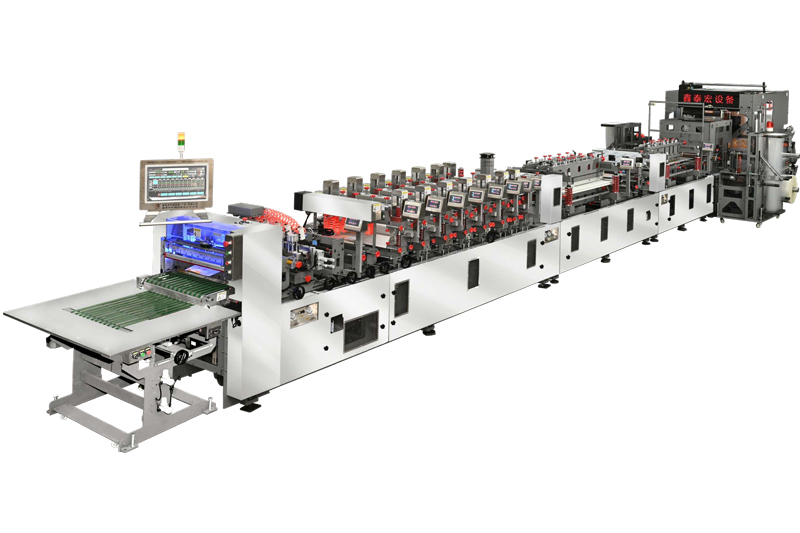
Equipped with optical scanning modules that detect printed eye-marks and graphic offsets in real time. Automatically fine-tunes punching units for euro-slots, handle holes, and tear notches with zero human intervention.
High-frequency sonic energy instantly welds and flattens male/female zipper tracks within the side-seal intersection. This prevents capillary leaks in side-gussets, essential for coffee degassing and detergent liquid packaging.
Intuitive multilingual touchscreens (Spanish/English) enable operators to store 100+ recipe profiles. Secure VPN gateways allow our engineers to perform remote diagnostics, PLC firmware updates, and troubleshooting directly from factory headquarters.
Explore our state-of-the-art manufacturing infrastructure, where heavy-duty CNC gantry machining, high-precision assembly lines, and rigorous quality inspection protocols unite.
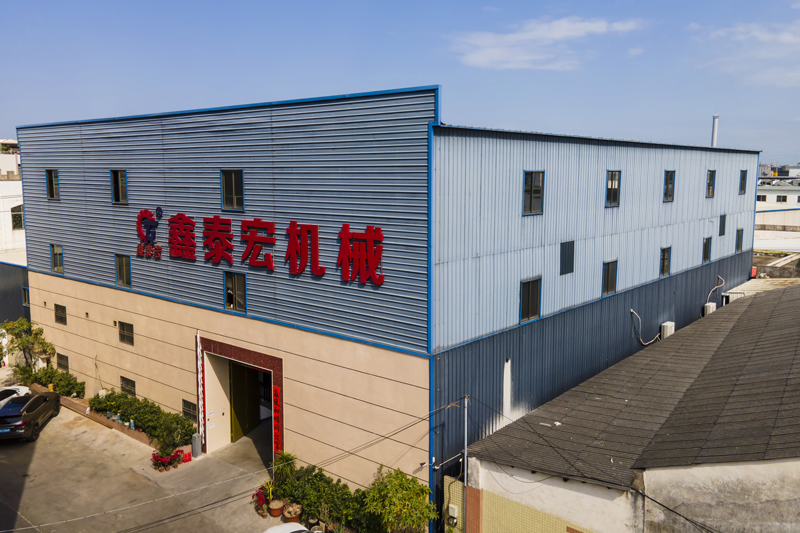
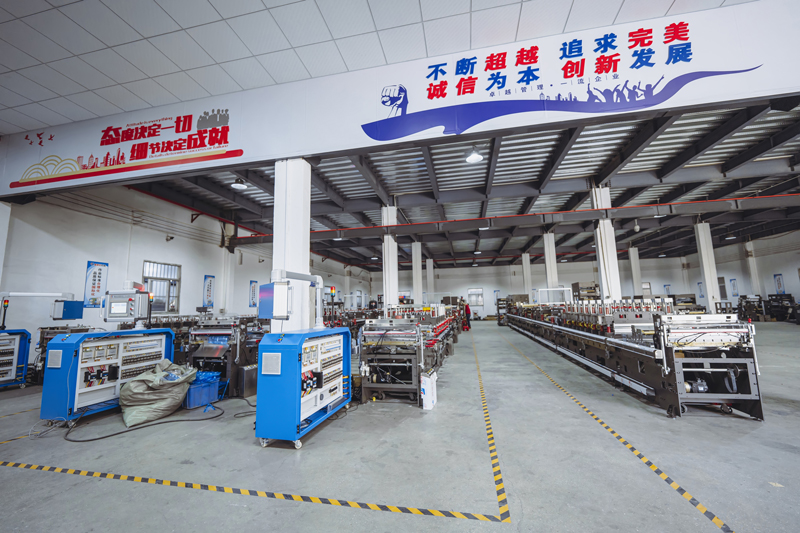
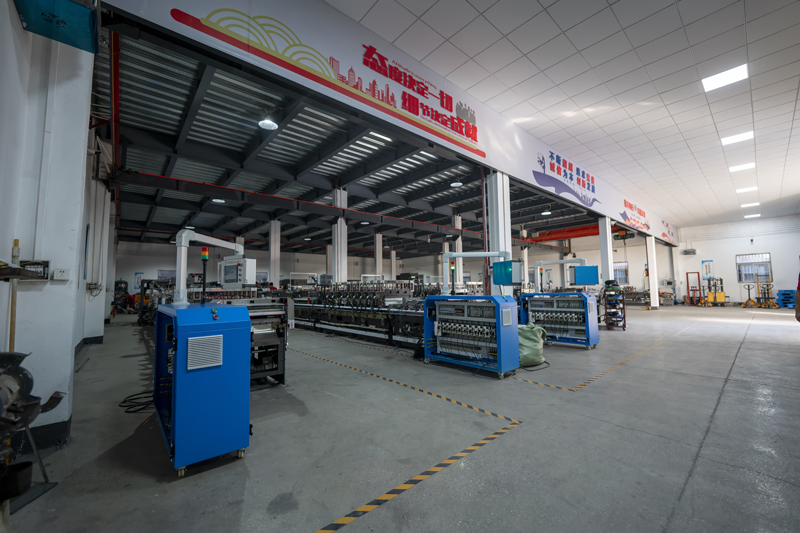
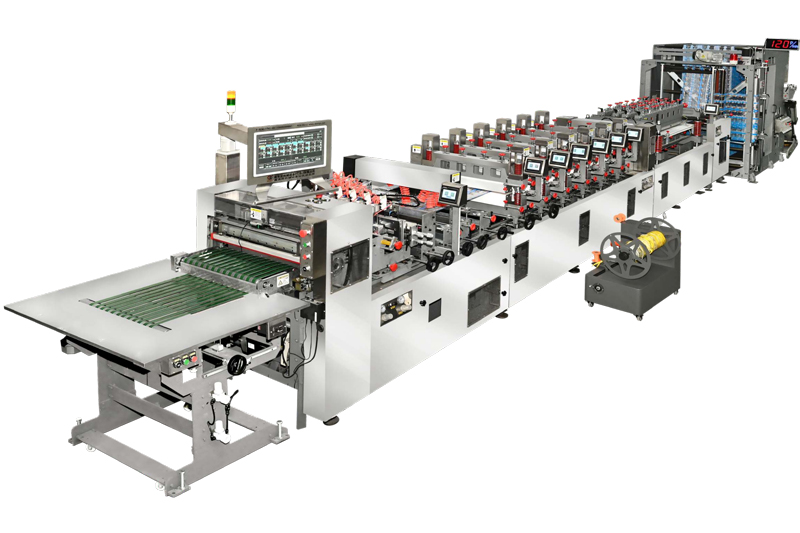
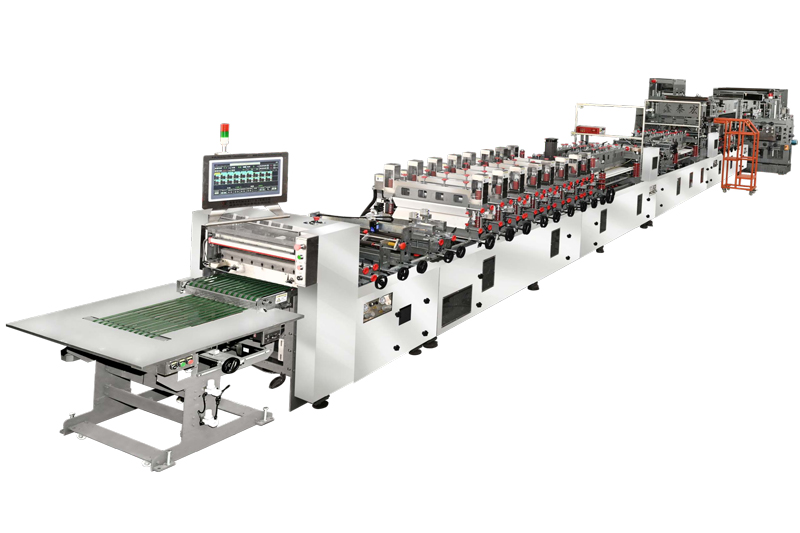
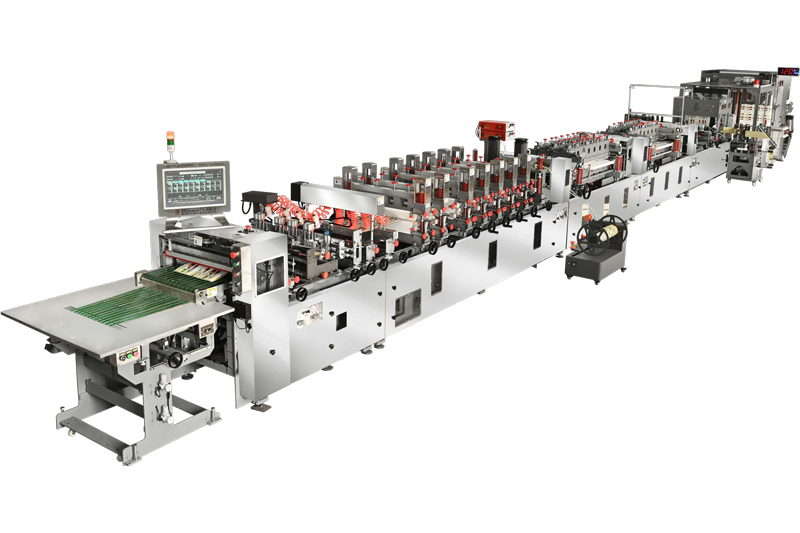
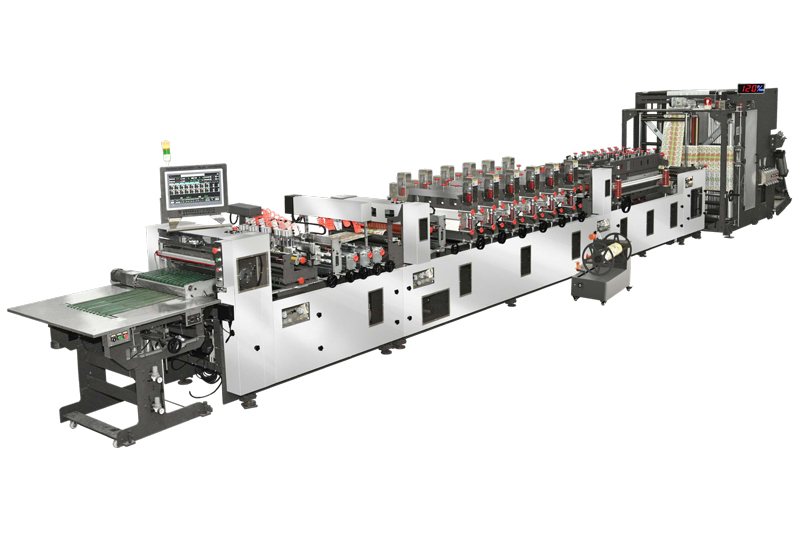
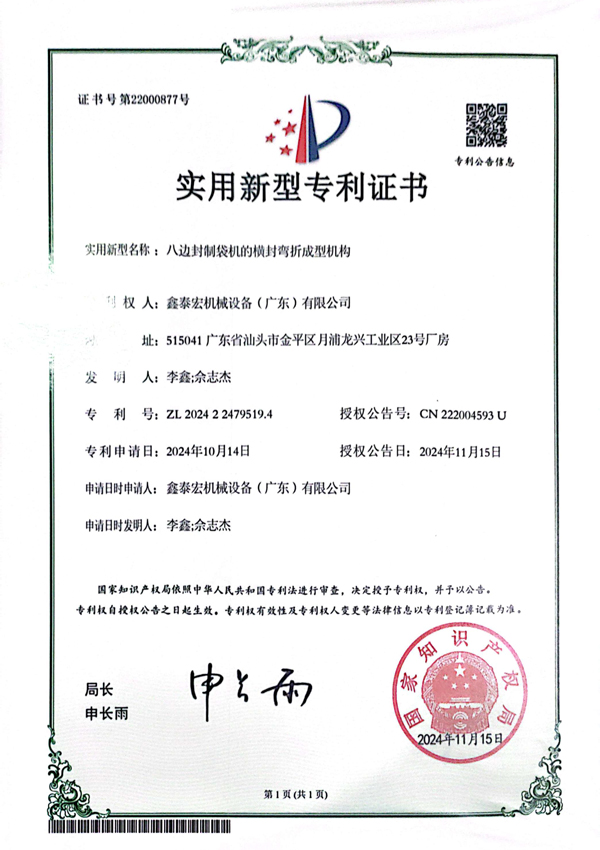
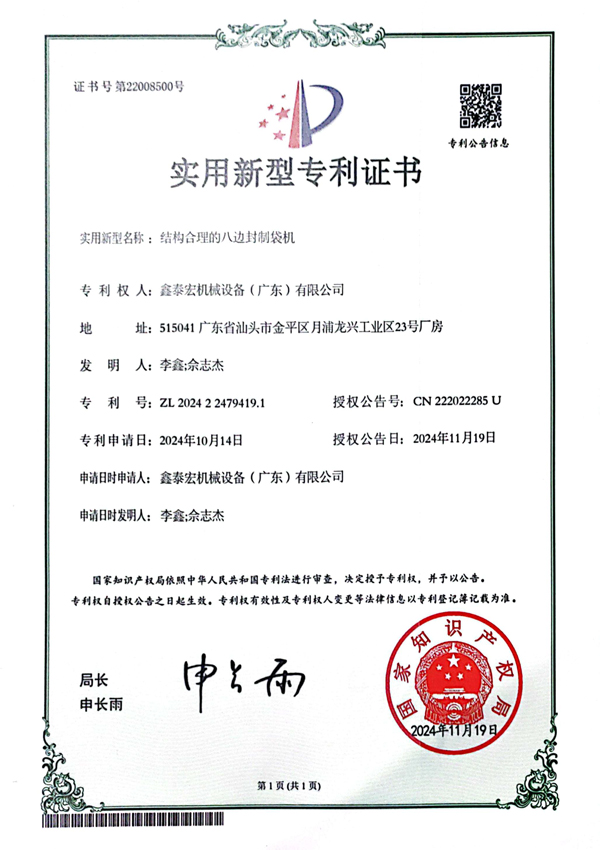
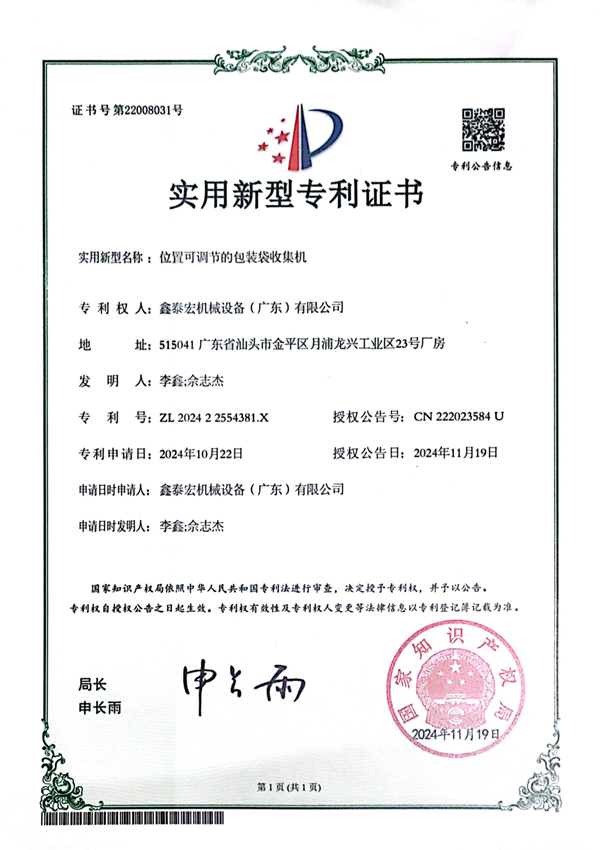
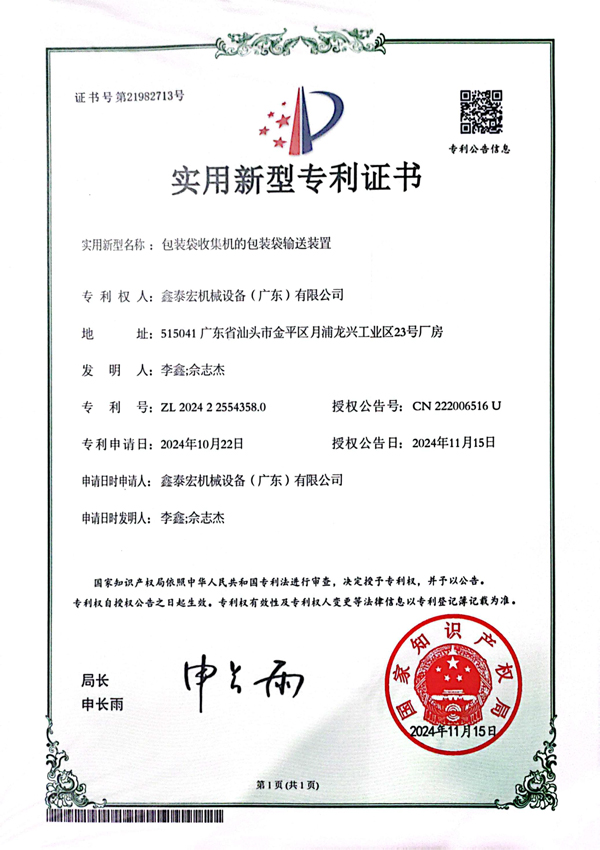
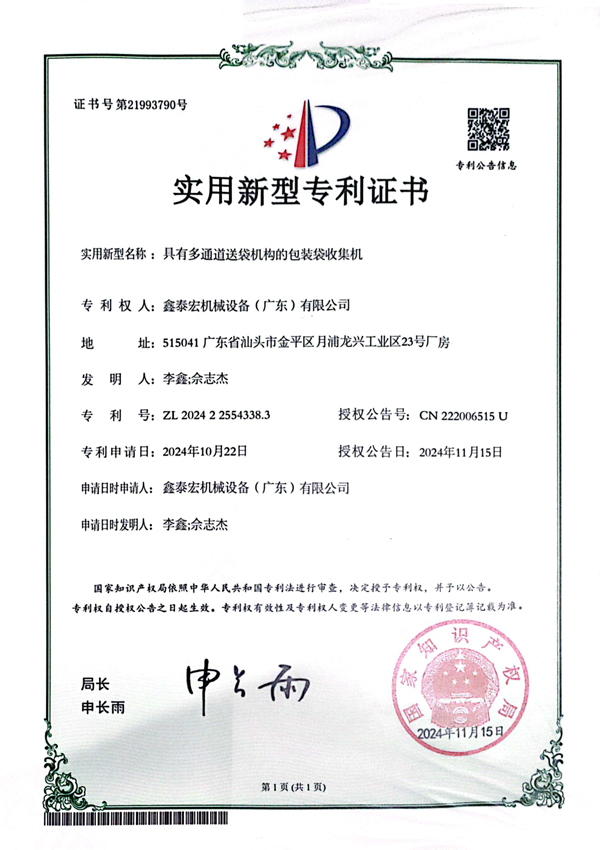
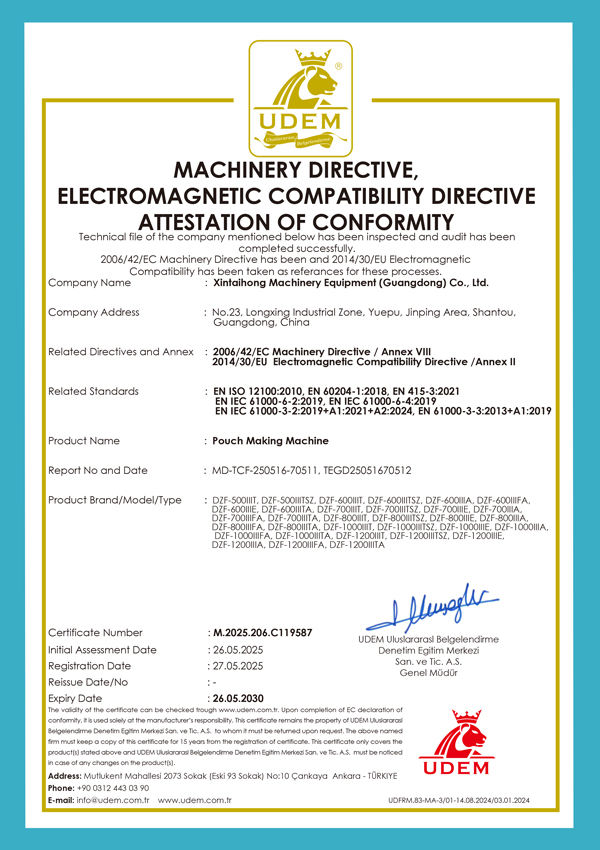
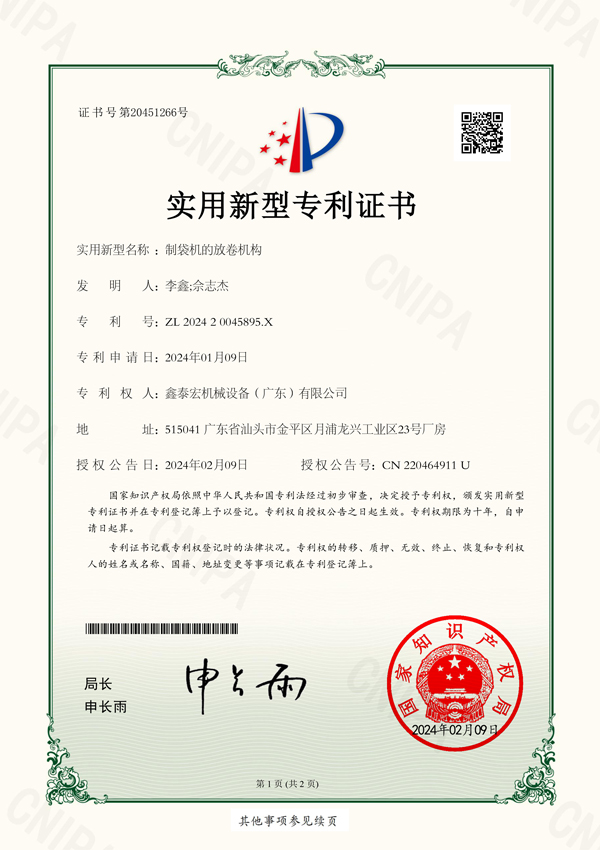
Our equipment is certified under stringent international safety, electrical, and quality frameworks, guaranteeing trouble-free DIAN customs clearance and seamless commissioning in Colombia.
Purchasing capital equipment from an overseas manufacturer requires dependable logistics coordination, compliance with technical norms, and seamless local installation. For Colombian converting companies, our dedicated international trade department coordinates sea freight directly to Colombia's premier container ports:
For converters situated in the western industrial centers (Valle del Cauca, Eje Cafetero, and western Antioquia), shipments arrive smoothly via the Port of Buenaventura along the Pacific corridor. For manufacturing hubs in Bogotá, Cundinamarca, Bucaramanga, and the Atlantic coast, vessels dock at the world-class terminals of Cartagena (Contecar/SPRC) or Barranquilla. All machinery is sealed with vacuum-tight barrier foil, anti-corrosive desiccant packs, and reinforced fumigated steel-frame crates to prevent sea-spray oxidation during ocean transit.
Industrial power grids across Colombia predominantly supply 220V or 440V at 60Hz, contrasting with the 50Hz frequency prevalent in Asia and Europe. Our engineering team custom-winds all transformers, servo drives, vacuum blowers, and chillers to match local Colombian three-phase voltage requirements without relying on unstable third-party step-down adapters. Furthermore, heating bars and pneumatic solenoids are tuned specifically for high-altitude thermodynamic dissipation in metropolitan Bogotá (2,640 meters above sea level), preventing the false vacuum readings or cooling delays typical of standard equipment.
Minimizing production downtime is essential for fast-turnaround flexible packaging printers. We back all Colombian installations with a comprehensive spare parts package (including heating elements, thermocouple probes, silicone rubber strips, cutting blades, and pneumatic seals) shipped alongside the machine. Our bilingual engineering specialists provide comprehensive video installation guidance, remote PLC telemetry assistance, and on-site commissioning visits across Colombia to train local operators.
Browse our comprehensive lineup of bottom-insertion stand-up, center sealing, three-side sealing, and flat-bottom box pouch making equipment with advanced vision inspection.
Yes. Our machines are built with independent multi-stage digital PID temperature controls and dedicated cooling zones that maintain an exact heat window of ±0.5°C. This allows converters to run high-barrier Mono-PE, Mono-PP, and bio-based PLA films without wrinkling, stretching, or burn-through, satisfying all requirements of the circular economy transition.
Our converters support a wide spectrum of reclosable zipper types, including standard press-to-close PE/PP zippers, powder-proof zippers (ideal for ground coffee, cacao powder, and agrochemicals), pocket zippers, easy-tear pull-tab zippers, and child-resistant (CR) safety closures.
Standard manufacturing time ranges between 35 and 60 working days, depending on custom requirements such as CCD vision punching units or special slitting devices. Ocean transit from major Asian container ports to Buenaventura or Cartagena typically requires 24 to 32 days on direct shipping lines.
We provide full remote startup assistance, digital schematics, and comprehensive Spanish-language training manuals. For on-site commissioning, our field engineers travel directly to facilities across Colombia to oversee final mechanical positioning, power linkage, trial pouch runs, and staff training.