Leave Your Message
-
Phone
-
E-mail
-
Whatsapp
-
WeChat

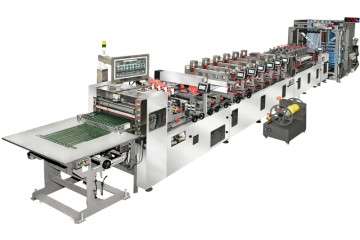
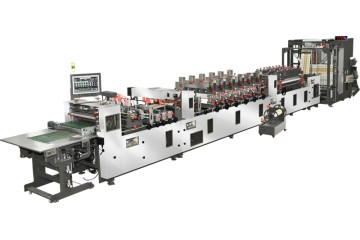
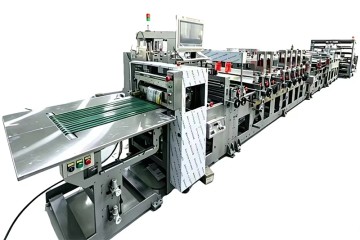
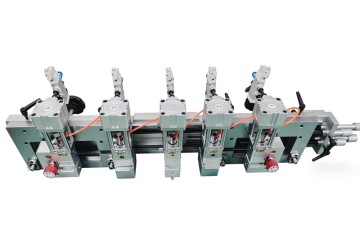
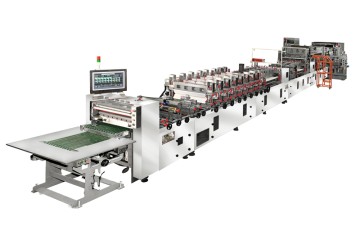
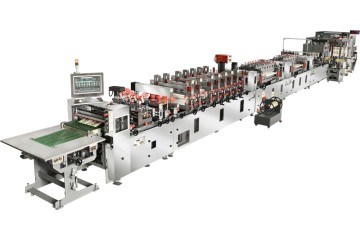
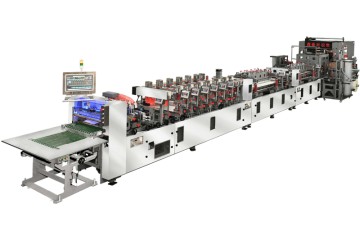
Precision-engineered systems optimized for flat bottom pouches, zipper integration, and advanced CCD vision alignment.
The global pet food market has undergone a dramatic transformation over the last decade. As pet humanization continues to rise, pet owners demand premium, nutritious products packaged in containers that maintain freshness, prevent contamination, and look outstanding on retail shelves. This shift has placed immense pressure on packaging manufacturers to move away from traditional multi-wall paper bags and standard 3-side seal plastic pouches toward highly sophisticated, durable, and user-friendly formats.
Among these, the eight-side seal pouch (commonly known as the flat bottom pouch or box pouch) has emerged as the gold standard for heavy-duty packaging ranging from 2kg up to 20kg. These large-format pouches require specialized machinery to handle thick laminated films, insert heavy-duty zippers, and seal complex multi-layer gussets without compromising on speed or package integrity.
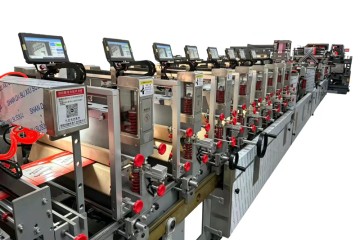
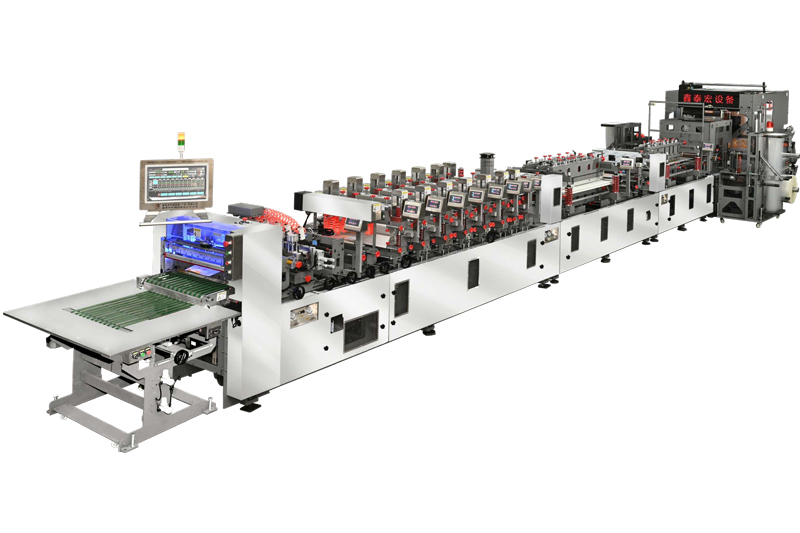
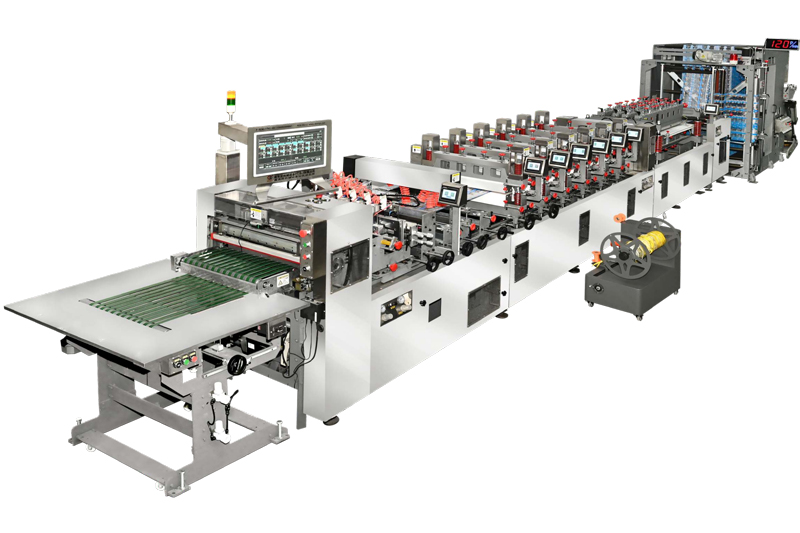
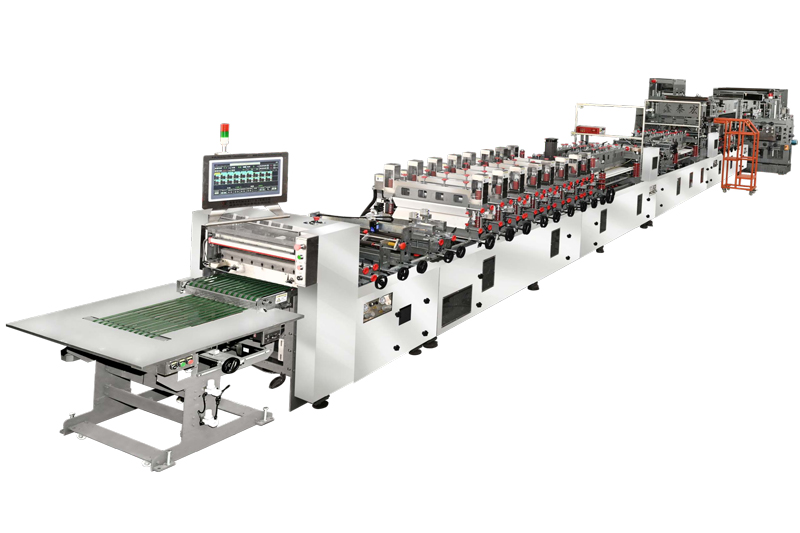
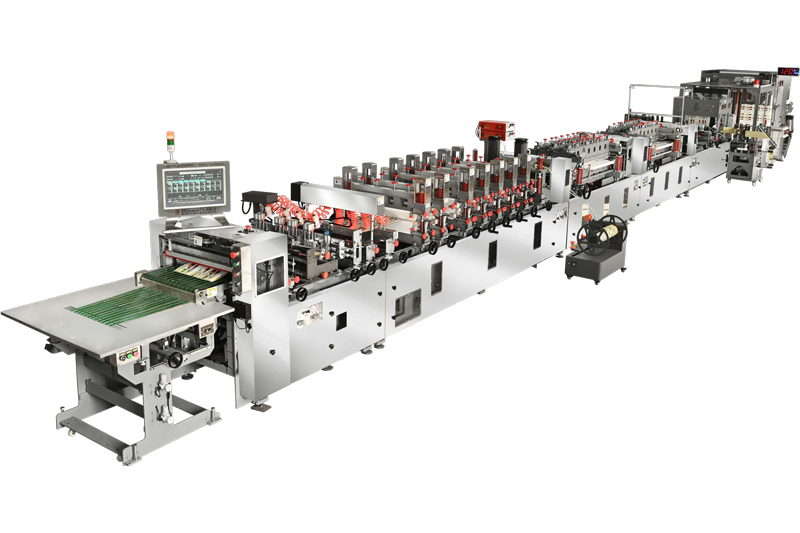
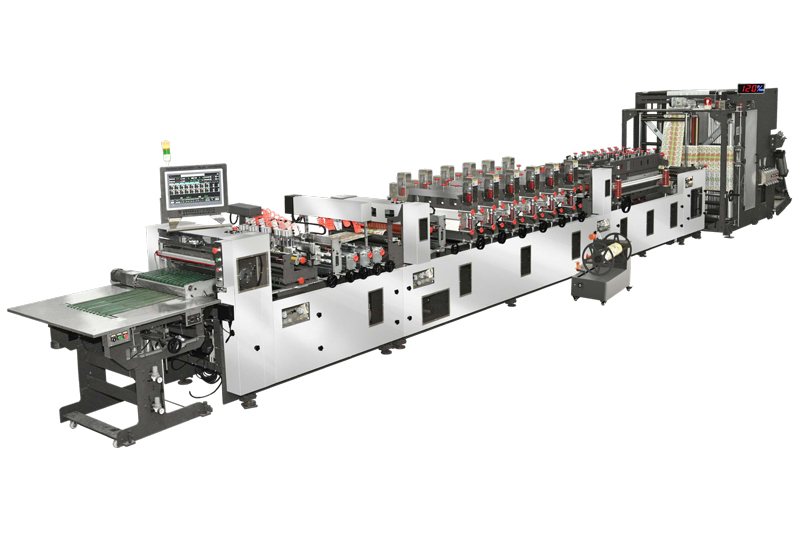
Modern zipper bag making machines designed for heavy-duty pet food pouches must combine structural engineering excellence with advanced electronic automation. The integration of high-speed servo motors, precise tension control systems, and real-time vision alignment technologies ensures that every bag produced can withstand the rigorous logistics chain and the weight of dense pet food kibble.
Why our technology excels in manufacturing high-strength, eight-side seal pouches.
Utilizes independent servo motors for each sealing and feeding station, ensuring absolute synchronization, minimal mechanical wear, and extremely fast job changeovers.
Real-time optical camera tracking monitors print registration, zipper alignment, and punch positioning, automatically adjusting parameters to eliminate waste.
Specially designed heating and cooling bars apply balanced pressure across thick gusset intersections, ensuring leak-proof seals for heavy payloads.
The eight-side seal pouch represents the pinnacle of modern flexible packaging design. Unlike standard stand-up pouches that have a simple bottom fold, the flat bottom pouch mimics a rigid box, providing a stable, flat base. This design offers several critical commercial and functional advantages:
Manufacturing these complex pouches requires a machine that can precisely fold the side gussets, insert the flat bottom panel, and apply the zipper profile, all while maintaining perfect tension control. Standard pouch-making machines simply cannot handle the physical demands of processing the thick, high-barrier laminates required for heavy-duty applications.
To produce reliable eight-side seal pouches for heavy payloads (5kg to 20kg), a bag-making machine must overcome several engineering challenges. The material used is typically a heavy-gauge laminate consisting of multiple layers, such as PET, Nylon, Aluminum Foil, and PE. These materials require high sealing temperatures and precise dwell times to achieve a hermetic seal.
1. Multi-Zone Temperature Control & Sealing Pressure: The thickness of the bag varies drastically across its geometry. At the side gussets, the machine must seal through up to six layers of film, while at the face panels, it only seals through two. A high-performance zipper bag making machine uses independent, PLC-controlled heating zones with pneumatic or hydraulic pressure boosters to ensure uniform heat transfer without scorching the outer film layers.
2. Zipper Insertion and Ultrasonic Crushing: Integrating a zipper into a heavy-duty bag is a critical point of failure. The machine must feed the zipper profile, align it with the inner PE layer of the pouch, and seal it securely. At the sides where the zipper meets the gusset, ultrasonic "crushing" is employed to flatten the zipper profile. This prevents leak paths and ensures the bag remains completely airtight.
3. Heavy-Duty Handle Punching and CCD Inspection: For bags containing 10kg or more of pet food, a carrying handle is essential. The machine features integrated punching units that cut out ergonomically designed handles. Because any misalignment can cause the bag to tear when lifted, high-resolution CCD cameras monitor the punching process in real-time, automatically halting production or rejecting out-of-spec bags.
While pet food is the dominant driver for heavy-duty eight-side seal pouches, the versatility of our machinery allows it to serve a wide range of industrial and commercial packaging sectors. The ability to handle high-barrier, heavy-gauge films makes this machine series ideal for:
Agricultural Products & Seeds: Bulk grain, grass seeds, fertilizers, and animal feed require robust barrier properties to protect against moisture, UV light, and pests. The flat bottom design ensures stable storage in agricultural warehouses.
Chemicals & Powders: Industrial powders, concrete mixes, and chemical additives need secure, sift-proof seals. The DZF series machines ensure that fine powders cannot escape through the corner seals or zipper tracks.
Human Food & Bulk Ingredients: Bulk rice, flour, sugar, and frozen foods benefit from the structural stability and reclosable zipper features of flat bottom bags, enhancing consumer convenience and shelf-life.
As we look to the future, two major forces are shaping the development of zipper bag making machines: automation (Industry 4.0) and environmental sustainability. Manufacturers are actively seeking ways to reduce their carbon footprint, leading to the adoption of recyclable mono-material laminates (such as all-PE structures) and biodegradable films.
Mono-materials, however, have a much narrower sealing temperature window than traditional multi-layer films. This requires bag-making machinery to possess incredibly precise temperature controls and rapid cooling systems to prevent deformation. Our latest generation of machines incorporates intelligent thermal profiling that dynamically adjusts heating parameters based on line speed and material thickness.
Furthermore, digital integration is transforming the factory floor. With IoT-enabled sensors, operators can monitor critical machine metrics—such as seal temperature, pressure, motor load, and cycle time—from remote dashboards. Predictive maintenance algorithms analyze this data to identify wear on components before a breakdown occurs, minimizing unplanned downtime and maximizing overall equipment effectiveness (OEE).
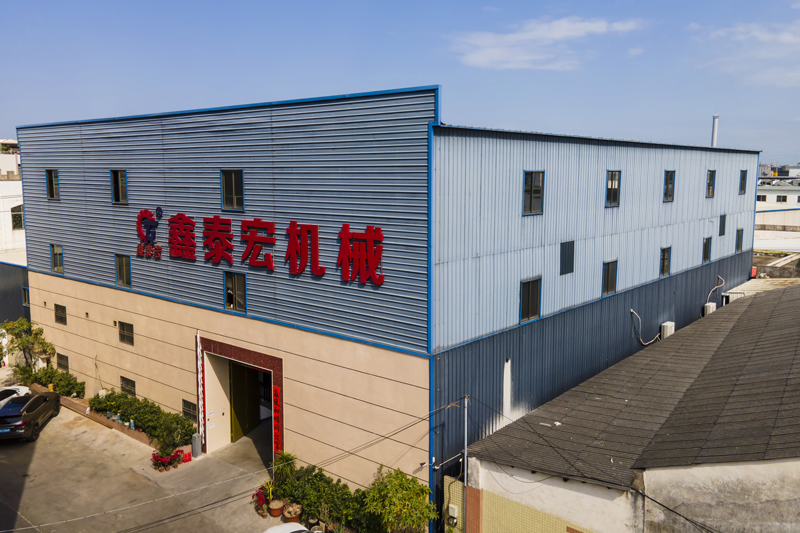
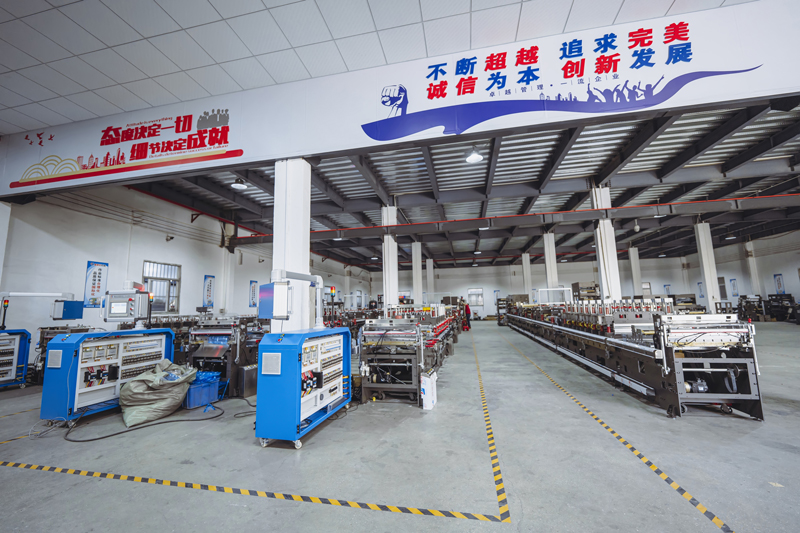
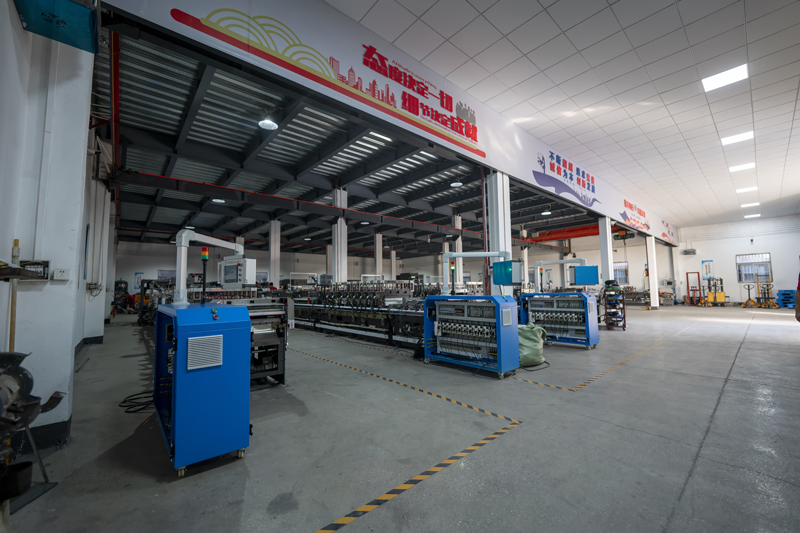
Explore our state-of-the-art manufacturing facility equipped with high-precision machining centers and assembly lines.
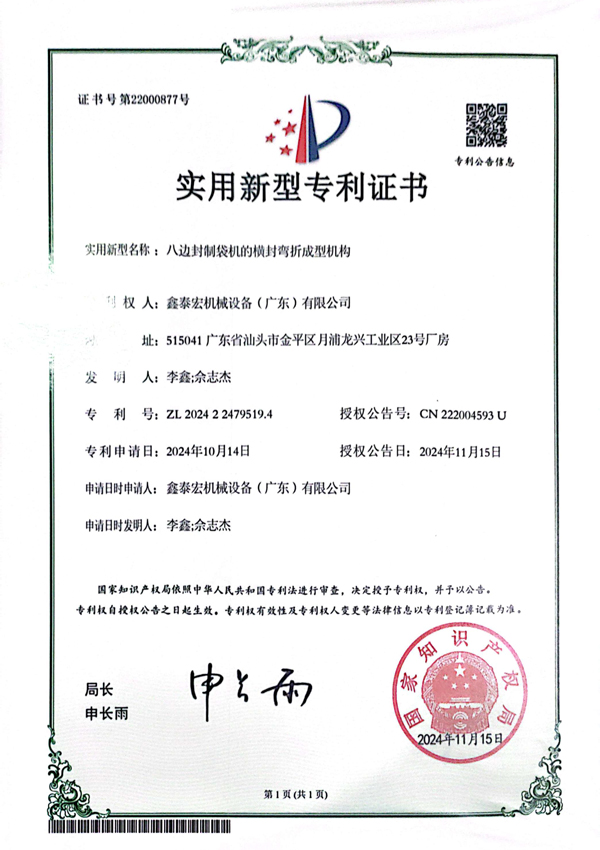
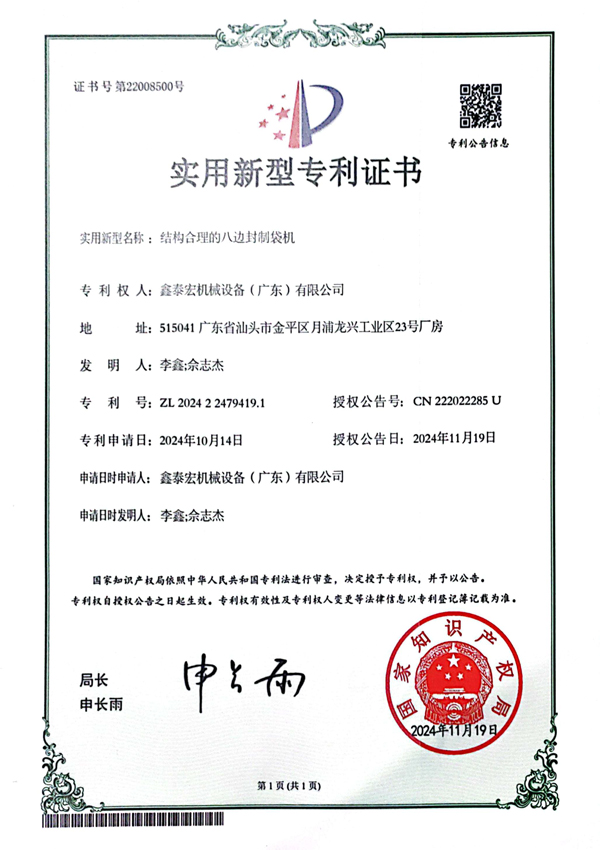
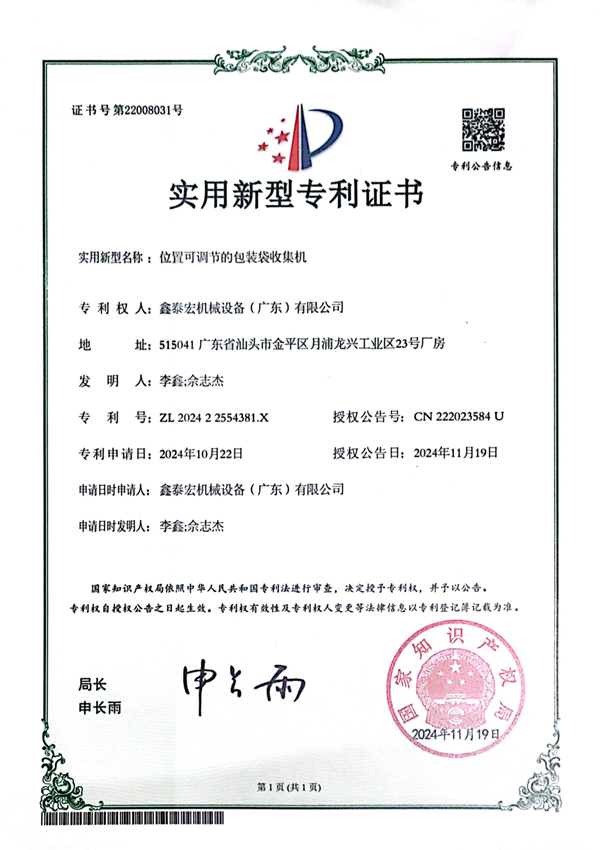
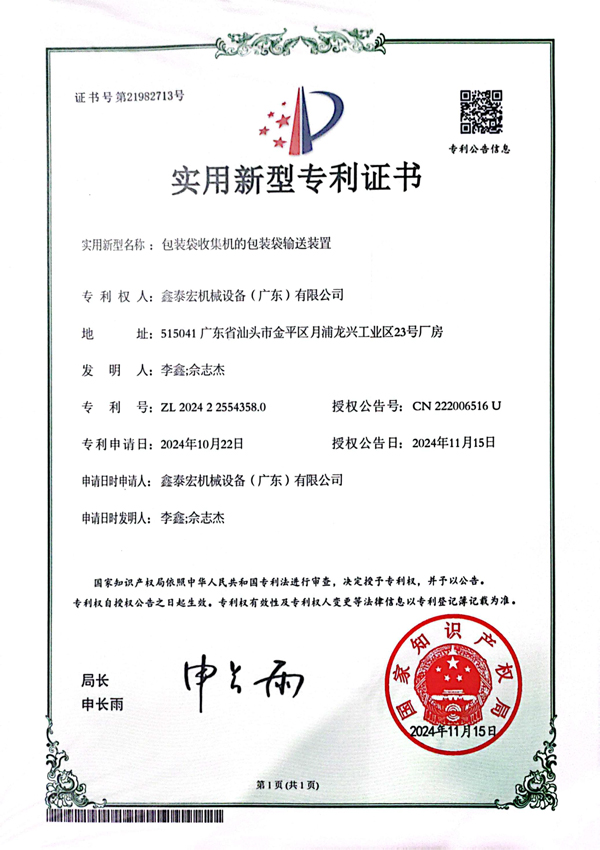
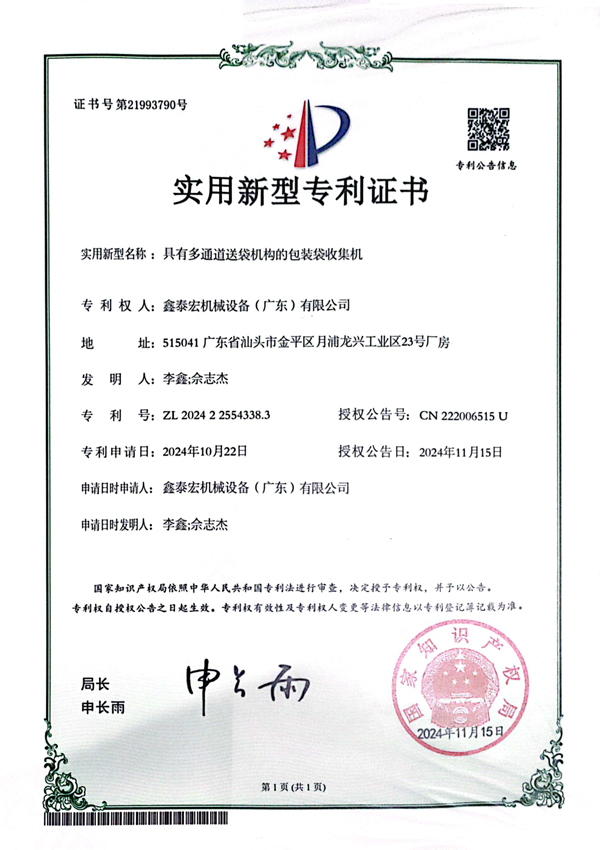
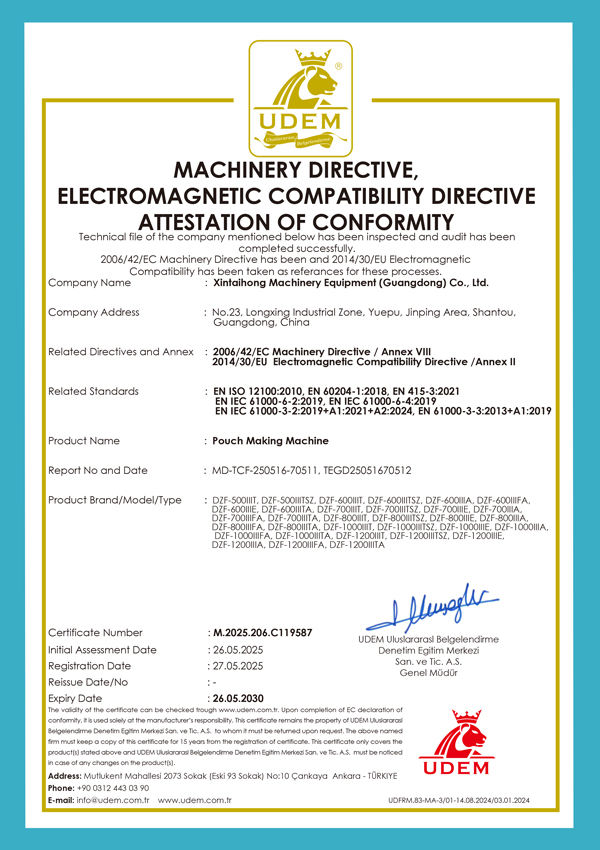
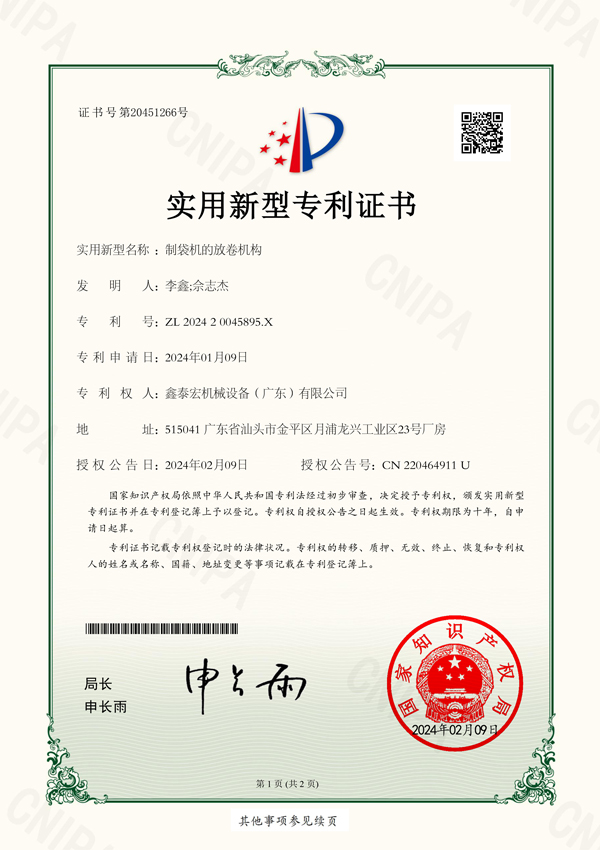
Our commitment to excellence is backed by global certifications and strict quality management systems.
Explore our full line of flat bottom, three-side seal, and center sealing bag making machines.