
Leave Your Message
-
Phone
-
E-mail
-
Whatsapp
-
WeChat

Explore our flagship electronic-shaft converting machines optimized for high burst-strength doy-pack pouch formation, precision punching, and multi-layer chemical barrier films.
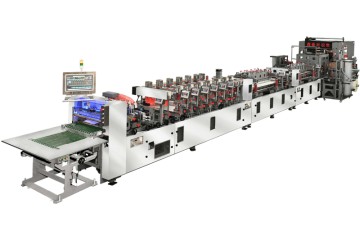
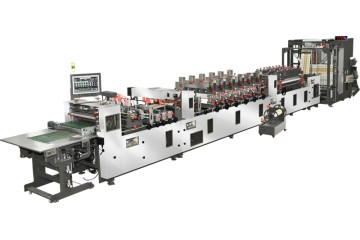
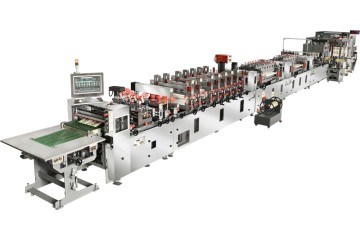
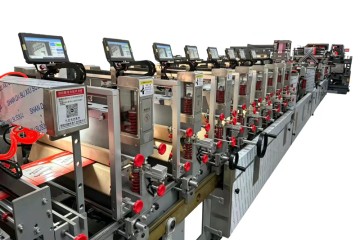
The commercial landscape for liquid daily chemical packaging has reached a monumental tipping point. Historically dominated by rigid high-density polyethylene (HDPE) and polyethylene terephthalate (PET) blow-molded bottles, the global fast-moving consumer goods (FMCG) market is undergoing an aggressive migration toward high-barrier flexible packaging formats. Today, flexible stand-up pouches equipped with specialized fitments—specifically corner spouts, top spouts, and reclosable tamper-evident zippers—represent the fastest-growing sector across household cleaning and personal care manufacturing.
This fundamental transition is propelled by compelling supply-chain economics, ecological mandates, and shifting consumer demographics. Rigid plastic jugs and bottles consume immense volume during empty transport, requiring excessive warehouse staging areas and generating elevated carbon footprints long before product filling occurs. In stark contrast, flat-shipped flexible stand-up spout pouches provide an astonishing space-to-volume ratio: a single pallet can store tens of thousands of unfilled, pre-made zipper or spout-ready pouches, slashing inbound logistics freight costs by over 75% and cutting greenhouse gas emissions dramatically.
Switching from conventional 2-liter rigid HDPE detergent jugs to multi-layer barrier stand-up refill pouches yields up to 70% reduction in total plastic material by weight, a 60% reduction in landfill volume, and profound savings on international extended producer responsibility (EPR) plastic packaging taxes.
Furthermore, the post-pandemic domestic market has solidified the "Eco-Refill" consumer habit. Modern households routinely maintain a decorative primary dispenser in kitchens or bathrooms, purchasing economical concentrated chemical refills in flexible pouches ranging from 500 mL to 3.5 liters. From high-viscosity laundry detergents, concentrated fabric softeners, and enzymatic dishwashing gels to multi-surface disinfectants, clarifying shampoos, and moisturizing hand sanitizers, the demand placed upon the bag converting machinery has intensified. The machinery must produce flawless, zero-leak pouches capable of surviving brutal hydraulic drop tests, long-term aggressive surfactant exposure, and rapid vertical retail display loading.
Multi-stage heating and advanced chilled-water cooling dies prevent delamination and micro-pinholing, guaranteeing burst pressures exceeding 0.45 MPa under sudden drops.
Independent servo drive architecture ensures decoupled film unwinding, bottom gusset punching, zipper insertion, and cross sealing for micro-precision positioning.
High-resolution real-time optical recognition verifies print registration, corner punch accuracy, and zipper welding continuity, discarding defective pouches in-line.
Fabricating flexible pouches for powders or granular foodstuffs allows for forgiving sealing parameters; however, manufacturing pouches engineered to safely contain aggressive liquid chemicals presents extreme engineering challenges. Liquid surfactants contained in detergents act as natural wetting agents, relentlessly penetrating micro-capillary channels across defective seal margins. If a heat seal harbors a void of merely a few microns, surfactant migration will degrade lamination bond strength and produce catastrophic leakage throughout cross-continental shipping containers.
Our electronic-shaft zipper bag making machines resolve this through precise temperature, pressure, and dwell time control. Incorporating high-frequency PID thermal regulation modules paired with heavy-duty pneumatic toggle-press mechanisms, our stations apply homogeneous clamping forces up to 1.8 tons across the pouch's structural junctions. Special attention is directed to the critical "T-junction"—the intersection where the bottom gusset fold intersects the primary side weld. Here, multi-tiered stepped sealing bars prevent material pinching and eliminate localized thin spots.
| Technical Parameter | High-Spec Industrial Standard |
|---|---|
| Web Processing Width | 500 mm – 1200 mm (Modular Chassis) |
| Converting Linear Speed | Up to 160 – 220 cuts/min (Pouch-dependent) |
| Temperature Control Accuracy | ± 0.5 °C Multi-Zone Digital Thermostat |
| Film Tension Fluctuations | ≤ ± 0.1 N via Dancer & Magnetic Brake System |
| Spout Base Punch Accuracy | ± 0.25 mm via Closed-Loop CCD Vision Servo |
| Compatible Laminates | PET/AL/NY/PE, PET/NY/PE, Recyclable MDO-PE/PE |
The converting process on our electronic shaft bottom-insertion pouch machinery is a synchronized choreography of physics, thermal dynamics, and servo control. The machine begins with an active constant-tension unwinding cradle outfitted with dual electro-pneumatic expanding shafts and ultrasonic edge guiding systems (EPC). As heavy mother rolls of high-barrier multi-layer laminated film (often exceeding 140 to 180 microns for large liquid refill packs) are continuously paid out, the web travels through a multi-stage dancer arm array that dampens high-frequency harmonic vibrations.
In liquid chemical pouches featuring resealable safety closures or anti-spill internal zippers, sealing the thick zipper profile into the side gusset seam without thermal burning is essential. Our platform incorporates high-output ultrasonic welding units operating at 20 kHz or 35 kHz. Before the zipper enters the side-sealing station, the ultrasonic sonotrodes crush and molecularly fuse the male and female zipper profiles at pinpoint pitch intervals. This localized cold-fusion eliminates bulk material concentration at the pouch perimeter, preventing bulky steps that would otherwise cause capillary channels and liquid leakage during downstream thermal sealing.
For corner-spout pouches—frequently favored for laundry detergent refills and fabric conditioners—the bag-making machine must cleanly shear complex geometric angles and punch internal locating orifices into multi-layer laminates without generating micro-shreds, rough burrs, or film stress fractures. Our high-precision hydraulic and cam-driven punching stations utilize hardened tungsten-carbide die tooling. Integrated vacuum extraction hoods instantly evacuate waste slugs, preventing static-charged punch debris from adhering inside the open pouch cavity, which would compromise the automated spout insertion and filling operations at downstream packaging plants.
Analyzing how machine parameters, barrier requirements, and pouch architectures adapt to the rheological and chemical profiles of modern daily care products.
Liquid laundry detergents are formulated with potent anionic, non-ionic, and amphoteric surfactant matrices, often coupled with optical brighteners, bio-enzymes, and concentrated fragrances. These chemicals act as aggressive permeants that actively target standard PE film additives like slip agents and antioxidants. Furthermore, these pouches represent the heaviest consumer packaging applications, with volumes routinely ranging from 1.5 liters up to 5.0 liters, creating massive hydrostatic head pressure.
Converting Challenge & Machine Adaptation: The zipper bag making machine must configure expansive bottom gusset depths (ranging up to 60–100 mm per side) with reinforced "K-Seal" or "Doyen-seal" bottom geometry. To guarantee that a 3 kg bag of detergent dropped from a retail height of 1.2 meters will not burst at the bottom seam, our machines employ three sequential heated sealing cycles followed by dual chilled-water stabilization bars operating at 8–12 °C. This progressive heat-cool cycle anneals the inner PE sealant layer, reorganizing its crystalline morphology to deliver exceptional impact toughness and stress-crack resistance (ESCR).
Chlorinated cleansers, quaternary ammonium toilet bowl sanitizers, and hydrogen peroxide-based disinfecting sprays possess severe oxidizing characteristics. Over time, volatile chemical vapors inside the head-space can degrade marginal barrier bonds, inducing delamination between protective outer PET/BOPA layers and interior sealant films.
Converting Challenge & Machine Adaptation: Machine precision must maintain absolute zero-deflection edge tracking. Any mismatch in edge alignment between the upper and lower film webs exposes the unlaminated core layers to caustic liquid edges. Our digital tension closed-loop servo controllers ensure that lateral film shift never exceeds 0.2 mm across the entire 12-meter converting deck. In addition, the machine seamlessly handles robust four-tier barrier laminates incorporating vacuum metallized AlOx or SiOx barrier coatings without micro-cracking the inorganic vapor barrier.
High-end personal care refills rely on tactile packaging that projects premium aesthetic appeal on luxury retail shelves. Viscous gels, micellar cleansers, and pearlized body washes exhibit shear-thinning rheological behavior, requiring smooth pouring trajectories through engineered corner spouts without residual stringing.
Converting Challenge & Machine Adaptation: For cosmetic brands, pouch geometry often features non-linear ergonomic shapes—such as hourglass waist profiles for comfortable one-handed pouring. Our pouch-making machine interfaces with high-speed continuous optical punch die stations capable of creating contoured peripheral die-cuts in synchronized registration with the artwork printed on high-gloss PET or matte-finish OPP films. The machine's pneumatic cut-off knife mechanisms guarantee burr-free pouch perimeters that prevent consumer skin abrasions.
The rise of ultra-concentrated formulations has introduced compact, rigid-like stand-up doy-pack pouches with child-resistant (CR) zippers. These compact packs demand specialized, highly resistant internal closures that prevent young children from accessing hazardous chemical pods while remaining accessible to elderly adults.
Converting Challenge & Machine Adaptation: The machinery is engineered with specialized zipper unwinding and guiding cassettes designed to process thick, multi-track child-resistant closure webs. By integrating precision thermal induction heat blocks with localized heat shielding, the machine seals the robust CR zipper tracks without distorting the thin, flexible pouch body material.
How next-generation servo control overcomes the narrow thermal sealing window of fully recyclable mono-material barrier laminates for liquid products.
The global packaging industry is undergoing its most transformative regulatory disruption in half a century. European Union Packaging and Packaging Waste Directives (PPWR) and parallel global standards are strictly phasing out unrecyclable multi-material structures—such as conventional PET/Al/PE or PET/PA/PE laminates—in favor of fully circular, mono-material structures (such as BOPE/PE, MDO-PE/PE, or all-PP laminates).
However, converting mono-material PE films on high-speed pouch machinery to hold heavy liquid daily chemicals is notoriously complex. In conventional PET/PE laminates, the exterior PET layer has a high melting temperature (approx. 250–260 °C), while the interior LDPE sealant melts at 110–125 °C. This massive 130 °C thermal gap provides a forgiving operational window: converters can apply aggressive heat to penetrate through the film without scorching the exterior.
In a mono-PE laminate (MDO-PE outer laminated to a blown PE sealant layer), the melting temperature differential narrows drastically to a razor-thin margin of just 15 °C to 25 °C. Excessive heat immediately shrinks, wrinkles, and warps the outer carrier film, destroying pouch aesthetics and integrity. Insufficient heat yields cold seals that burst immediately when filled with 2 liters of liquid detergent.
Our bag making machines feature specialized ultra-flat ceramic heating plates coupled with pulse-width modulated (PWM) solid-state relay controllers. Combined with low-inertia servo pressure bars, heat transfer is metered down to the millisecond, completely eliminating outer web thermal shrinkage while achieving 100% molecular fusion across the inner PE sealant interface.
Additionally, mono-PE webs possess a significantly lower modulus of elasticity compared to PET or BOPA, making them highly susceptible to plastic deformation and web stretching under mechanical tension. To process these delicate eco-friendly substrates at speeds upward of 160 cycles per minute, our machinery replaces traditional line-shaft mechanical drives with fully independent electronic servo drives (Electronic Shaft System). Every drive nip, feed roller, and unwinding spindle operates in sub-millisecond digital synchronization through a central industrial motion controller, ensuring zero web stretch throughout high-speed acceleration and deceleration cycles.
Eliminating human error and sealing flaws through real-time computerized optical inspection and algorithmic process correction.
In industrial liquid packaging converting, producing a defective pouch that reaches the customer's high-speed filling line can cost thousands of dollars in lost chemical formulation, unscheduled plant downtime, and catastrophic product recalls. Consequently, our zipper bag making machines integrate advanced high-speed CCD line-scan visual inspection systems directly into the production line.
Mounted directly downstream of the bottom insertion, punch, and cross-seal stations, ultra-high-resolution CCD cameras capture continuous high-frequency digital imagery of every single passing pouch. Using dedicated deep-learning algorithms, the system evaluates critical performance dimensions in real time:
When the CCD vision processor detects any dimensional deviation, surface crease, or thermal sealing abnormality, the data coordinates are instantly relayed to an integrated high-speed servo pneumatic rejection arm located at the machine's discharge conveyor. The compromised pouch is pneumatically blown out of the product stream into a locked scrap repository without decelerating or stopping the continuous 180 pouch-per-minute converting line.
Full telemetry logging captures real-time defect classifications, enabling plant managers to track thermodynamic and mechanical stability via OPC-UA industrial protocol directly into their enterprise MES/ERP dashboard.
State-of-the-art multi-axis CNC machining, rigorous clean-assembly workshops, and meticulous final testing protocols ensuring unparalleled machinery longevity.
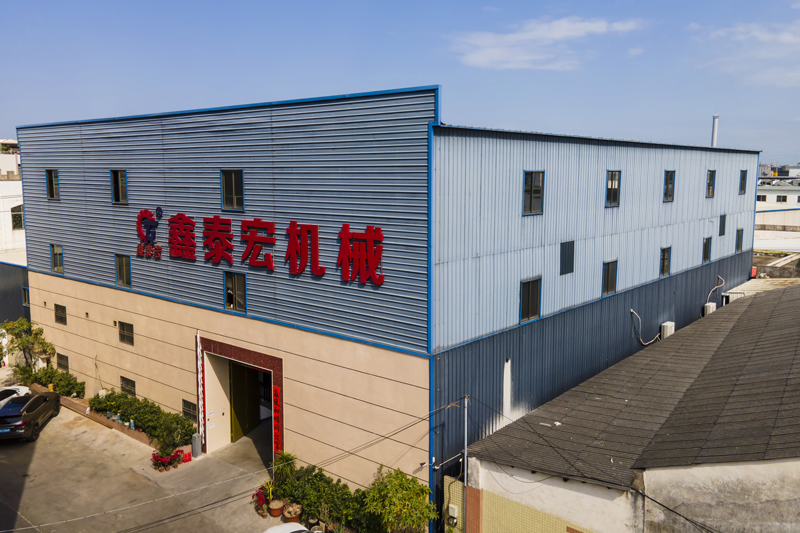 Corporate Headquarters
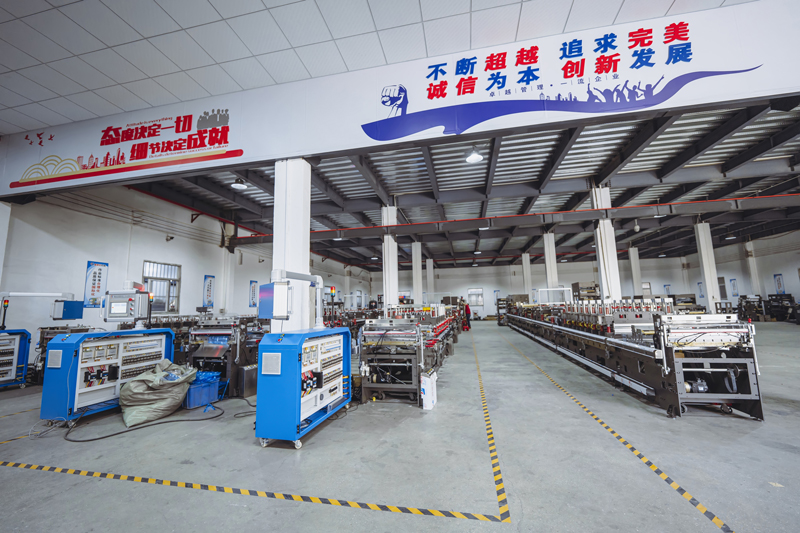 Modern Facility
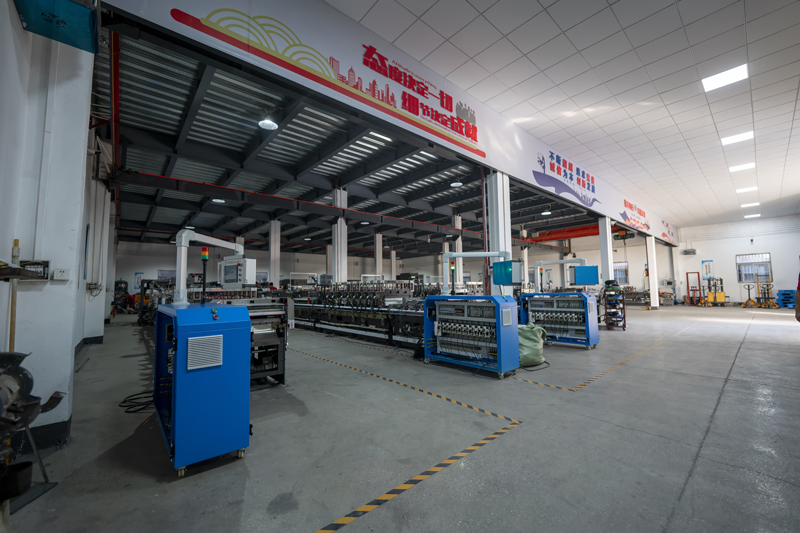 R&D Complex
Converting Center
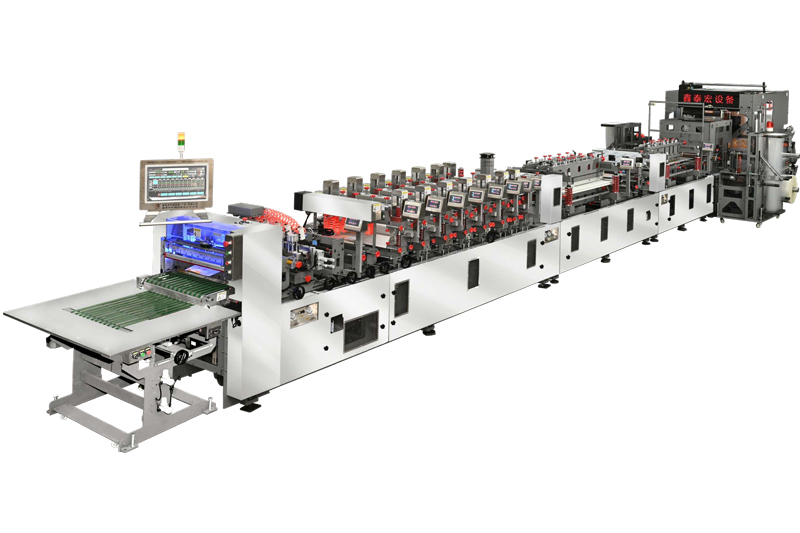 CNC Gantry Mill
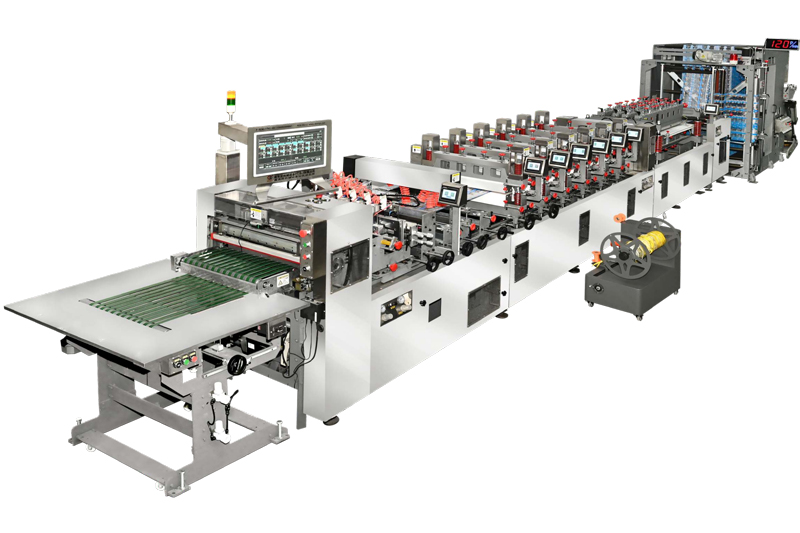 Precision Lathe Station
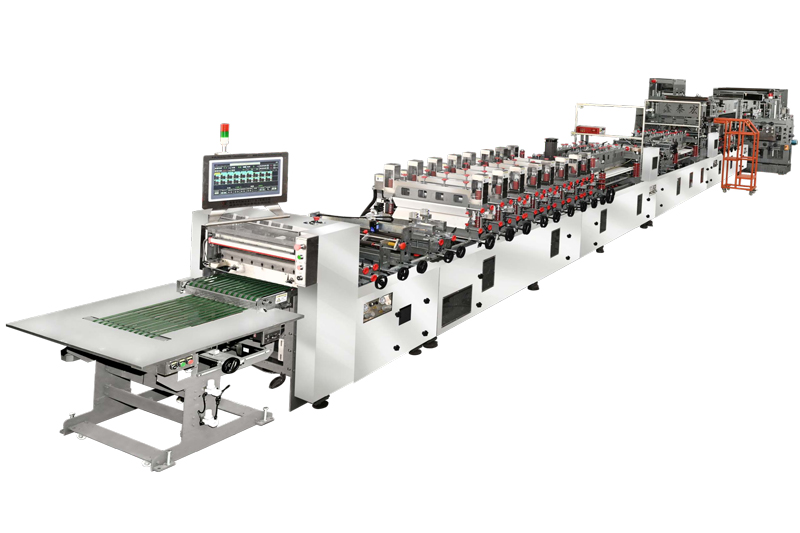 Assembly Workshop
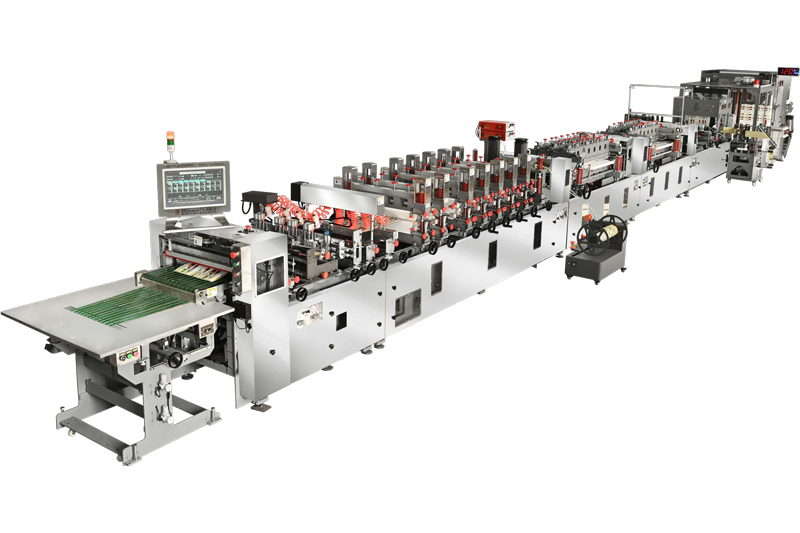 Servo Testing Bay
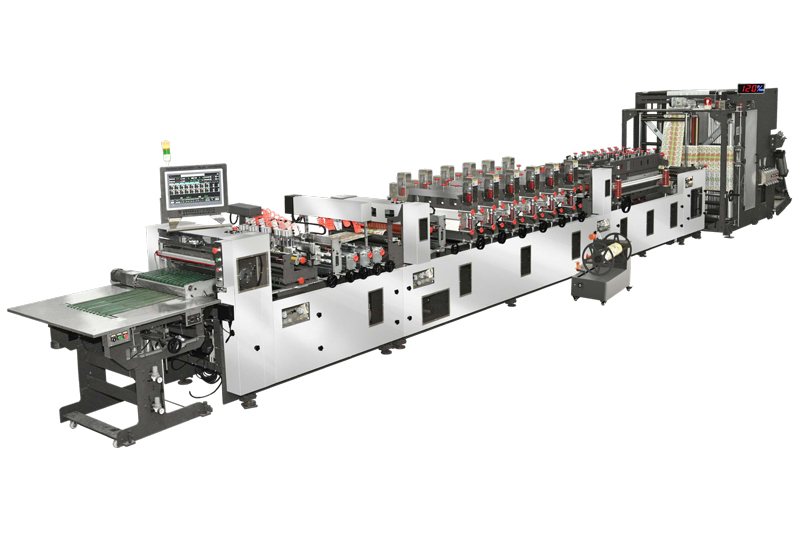 QC Verification Line
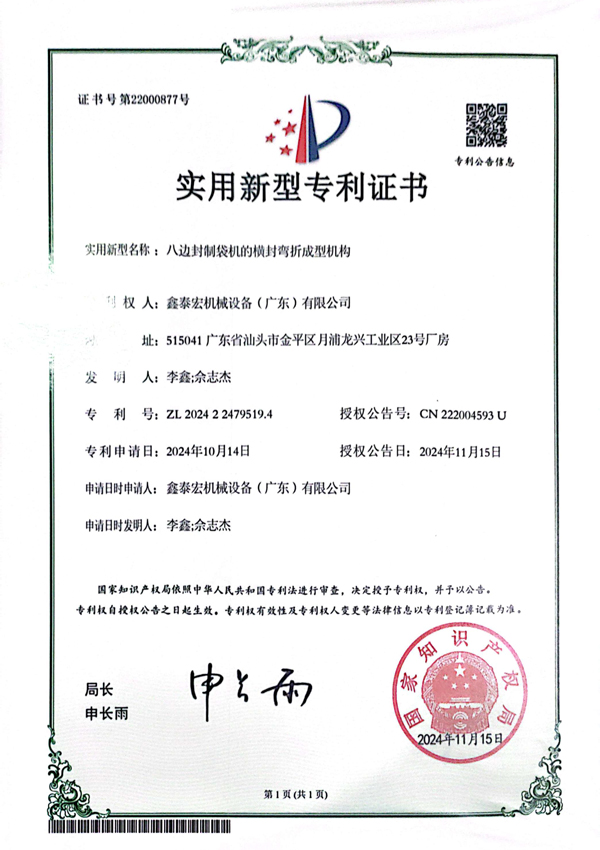
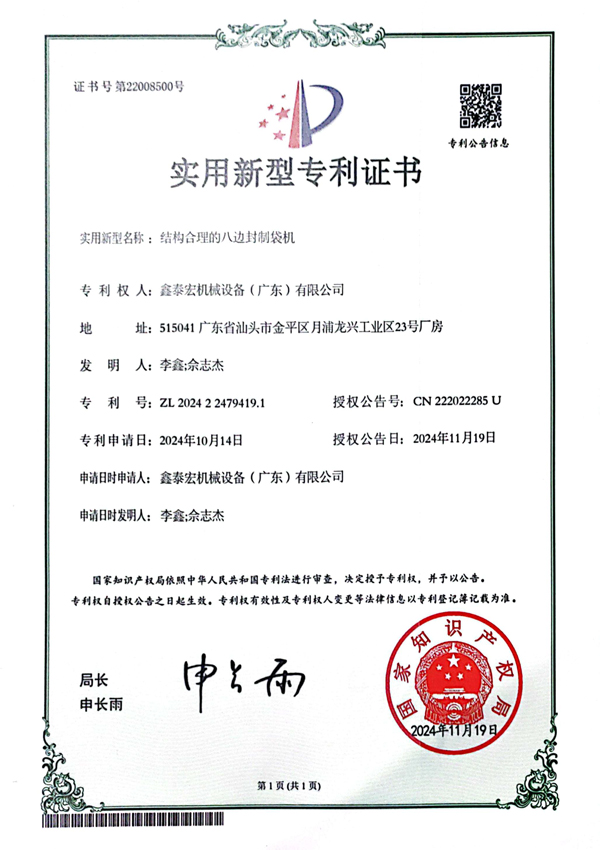
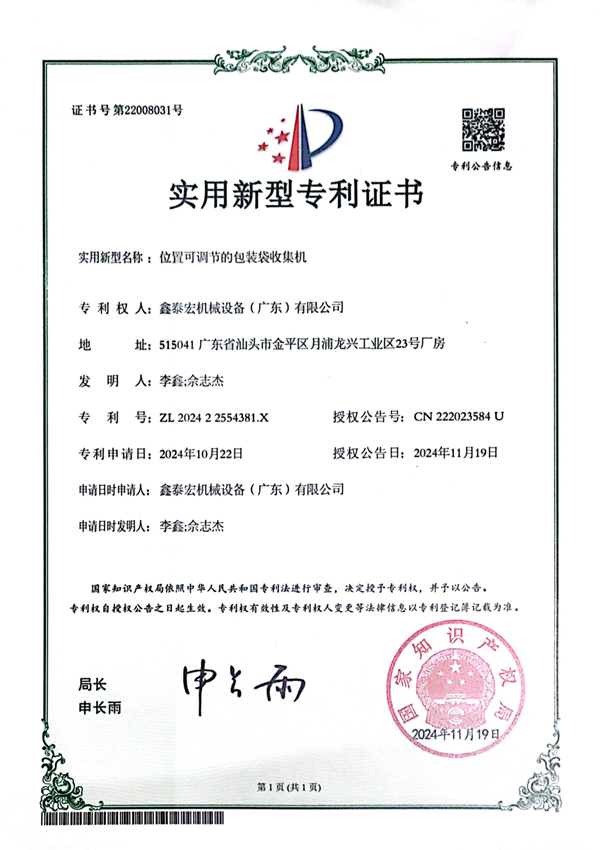
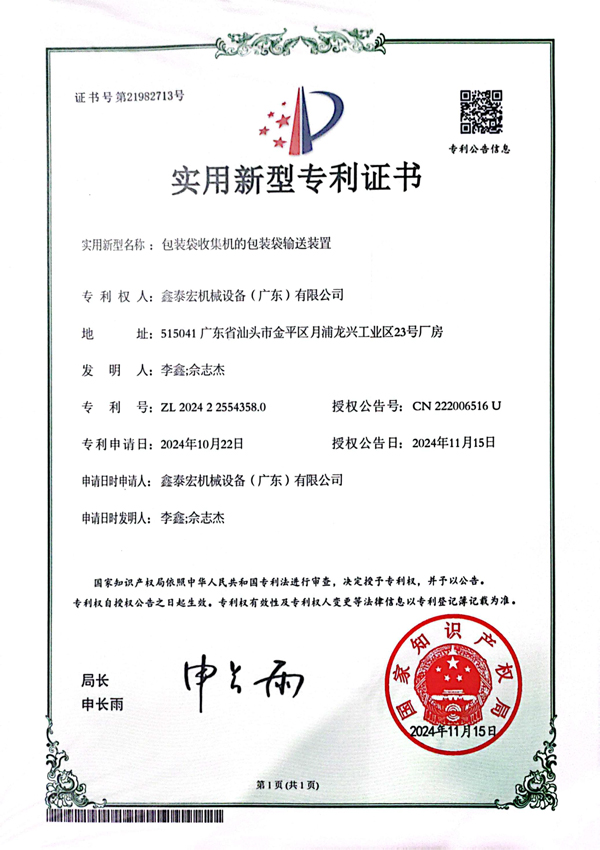
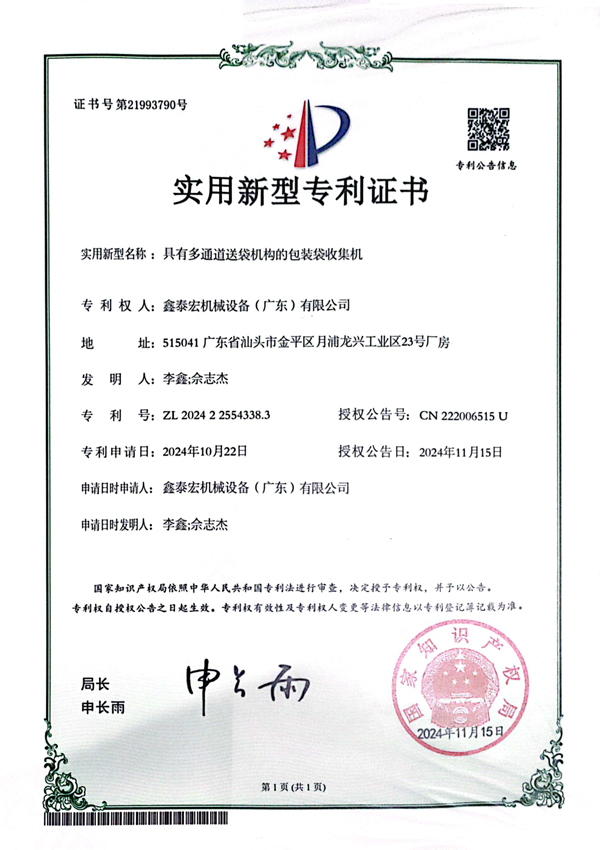
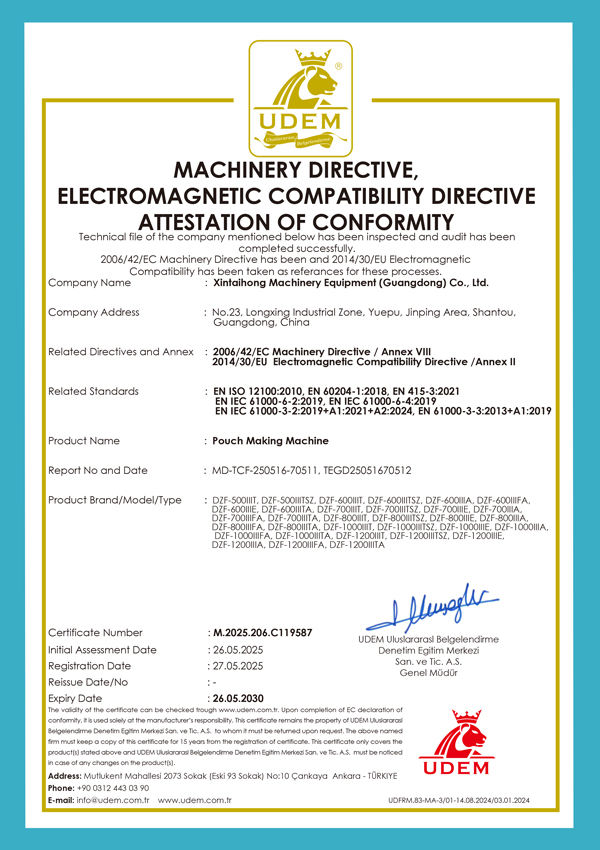
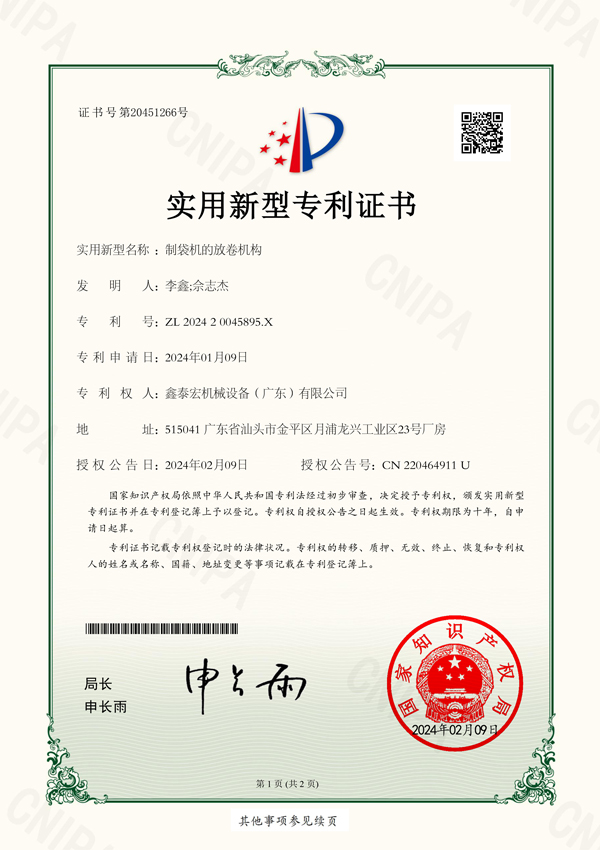
Holding rigorous international safety, environmental, and engineering certifications to guarantee seamless integration in global consumer packaging plants.
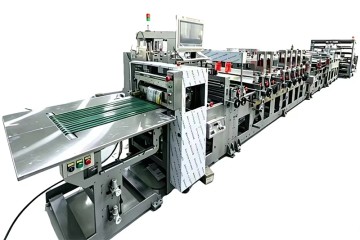
Explore our comprehensive line of stand-up, 3-side seal, flat-bottom, and center-sealing converting machinery with integrated CCD optical guidance.
Key insights for plant engineers and converting supervisors looking to optimize spout pouch production for liquid daily chemical packaging.